Meet the LAS Summer Interns
Students are leveling up with career-building internships in AI/ML, software, data science, and more at the Laboratory for Analytic Sciences.
The Laboratory for Analytic Sciences is a partnership between the intelligence community and NC State that develops innovative technology and tradecraft to help solve mission-relevant problems. Founded in 2013 by the National Security Agency and NC State, LAS collaborators conduct research that has a direct impact on national security. This summer, student interns from NC State, Rochester Institute of Technology, Georgia Tech, Northeastern University, and the University of Pennsylvania worked alongside LAS staff on projects in computing, data science, and software engineering.
Charlie Austin, Computer Vision Intern
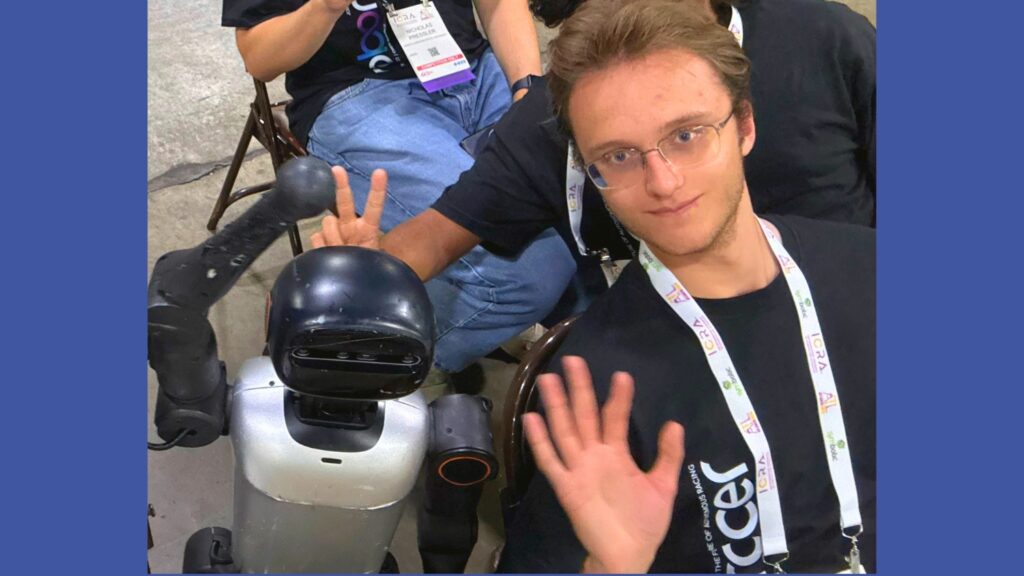
Academic program: M.S., Computer Science, North Carolina State University (Expected graduation year: 2028)
Where do you most feel like a local? Chandler-Gilbert, Arizona.
Extracurricular activities/hobbies: I’m a member of the Embedded Machine Learning Club at NC State, where I worked on RoboRacer, an autonomous radio-controlled car built at one-tenth the scale of an F1 racecar. I served as the club’s president/CEO last year. I’m also a player on NC State’s Division I collegiate Counter-Strike 2 esports team. Outside of academics, I enjoy gaming, reading, and video editing.
Tell us about what you’ve been working on this summer at LAS. One of the projects I’ve been contributing to this summer at LAS is software for object recognition and tracking in video. I’ve been implementing and running experiments on state-of-the-art (SOTA) video object detection models to determine which would be best to move forward with. What makes it interesting is seeing how these cutting-edge models compare in real-world performance. One unexpected result: RF-DETR matched the previous top model, Grounding DINO, in accuracy, but with inference speeds nearly seven times faster. That kind of finding can meaningfully shape the direction of the project.
What have you learned? I’ve deepened my understanding of state-of-the-art models and how they work at a foundational level. Beyond the technical side, I’ve also picked up some practical skills — better time management and staying consistently productive throughout the workday.
What are your goals after graduation? I want to work in AI robotics, ideally something involving swarm robotics or space robotics.
Do you have a random skill or talent? I used to be able to spin a pencil around my fingers pretty seamlessly. I still can, just not as smoothly as I once could. Working on getting it back.
Jason Balayev, Software/AI Engineering Intern
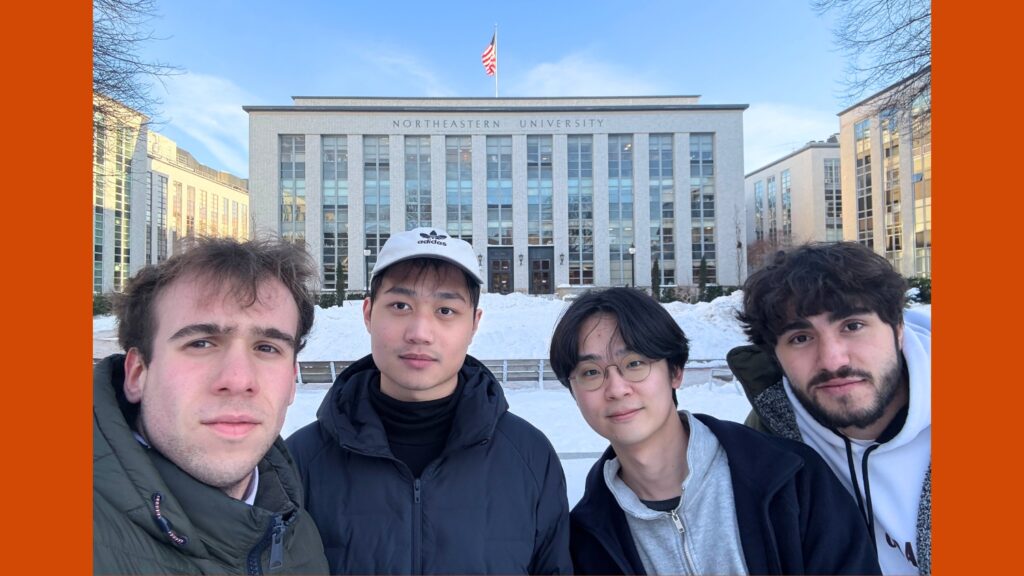
Academic program: B.S., Computer Science with a concentration in AI at Northeastern University, Boston, MA. (Expected Graduation Year: 2027)
Where do you most feel like a local?: Lynch Family Skatepark (Cambridge, MA)
Extracurricular activities/hobbies: In my free time, I am usually building out digital projects, skateboarding at public parks, or planning my next trip. I love driving my Nissan Rogue from state to state and seeing how much ground I can cover in a day.
Describe one of the projects you’re working on with LAS. I’m contributing to an extended reality/augmented reality (XR/AR) code visualization system started by Northeastern University that helps organize and display code cells in an immersive 3D environment. The idea is for users to select a code cell, press an ask button, and receive an AI-recommended layout that groups related notebook cells into structures such as linear flow, multi-row layouts, and branch structures. Computational notebooks are used for data analysis, but they can become difficult to navigate as they grow larger and include code, text, tags, and visualizations in one document. Immersive computational notebooks offer a new way to interact with this information through spatial layouts. One unexpected challenge has been that AI recommendations can be conceptually correct but still pretty difficult to translate into a stable 3D layout. For example, I ran into several issues with collision detection, line connections, and circular layout behavior.
What have you learned so far through your internship with LAS? I have learned how to approach a research project through continuous testing, debugging, and constant refinement of ideas. This project and this internship have taught me that research is rarely linear. Sometimes, the most important concepts and ideas come from identifying what doesn’t work, understanding why, and using those insights to improve systems.
What are your goals after graduation? I want to work in 3D or web development, with a focus on AI/ML development and integration, constantly exploring how it can be applied across a range of use cases. Beyond that, I hope to pursue a graduate degree in computer science and AI while maintaining a full-time position in this field.
Do you have a random skill or talent? I am a second-degree black belt martial artist. I have done taekwondo for over 10 years.
Emma Brodsky, Software Engineering Intern
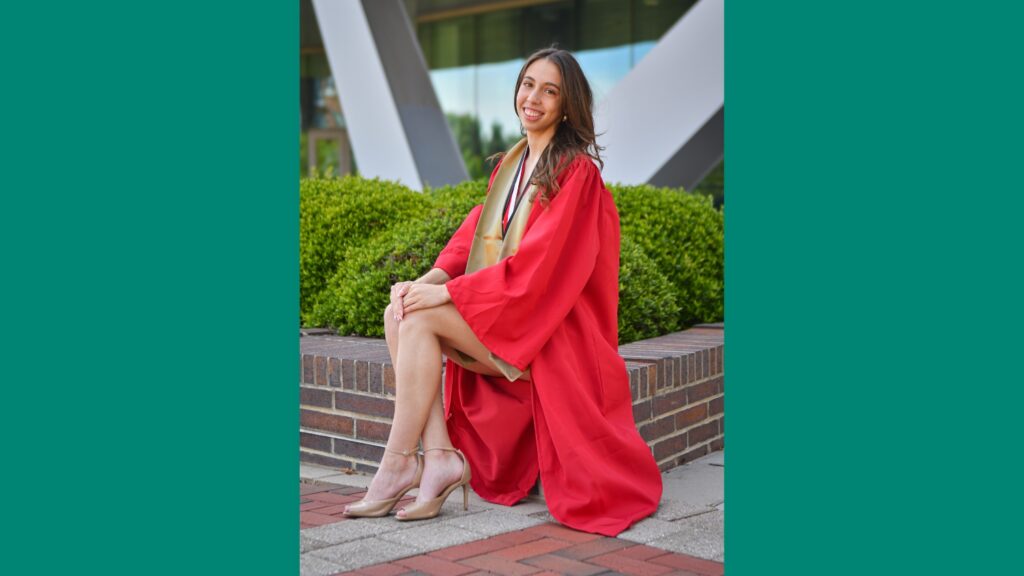
Academic program: I’m an MSE student at the University of Pennsylvania in the Computer Graphics & Game Technology program (Expected graduation year: 2028). I graduated in May 2026 from NC State University with a bachelor’s degree in Computer Science and a minor in Art & Design as a member of the University Honors Program.
Where do you most feel like a local? Dallas, TX (My hometown!)
Extracurricular activities/hobbies: I’m a digital artist, 3D modeler, and oil painter. I love to read, make art, run, and go to the gym.
Tell us about what you’re working on at LAS. This summer, I’m building a suite of LLM benchmarking tools. The benchmarks range from strategy simulation scenarios, where LLMs are tested on their ability to collaborate and negotiate using games as a proxy, to “needle in a haystack” problems, which evaluate how well a model can retrieve or reason about specific information in large bodies of text. Understanding the abilities, strengths, and weaknesses of LLMs is important for making informed decisions about when and how they should be used. I’m using my background in game development, UI, and software engineering to build research environments that accurately visualize and reflect both the conditions under which LLMs are tested and the results they produce. One surprising result of creating these benchmarks is the distinct behaviors and skill sets that naturally emerge from each model.
What have you learned? Having primarily worked in Java and C++, I have found that my Python software development skills, especially with packages and tools for LLMs and benchmarking, have developed quickly. I have also improved my growth mindset, becoming more open to participating in projects even when they involve tools I am not yet familiar with. LAS creates an environment where exploration is encouraged and even expected, so I feel more confident in taking on projects that provide opportunities to learn new skills.
What are your goals after graduation? After graduation, I hope to develop software for animation studios as a technical director.
Do you have a random skill or talent? I make the best blueberry lemon bundt cake!
Adam Coscia, Data Visualization Postdoc
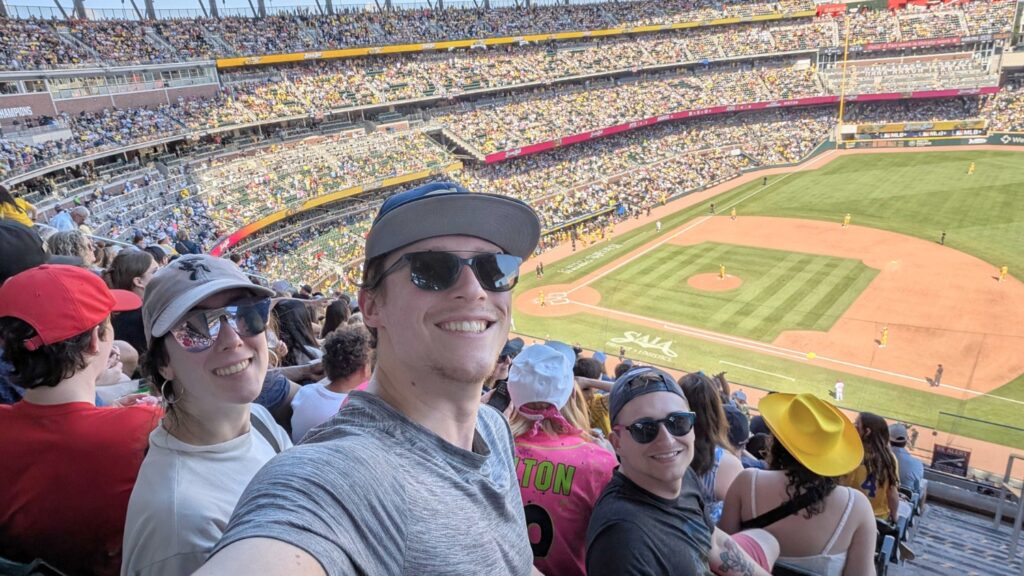
Academic program: Ph.D., Human-Centered Computing, Georgia Institute of Technology (Graduation year: May 2026)
Where do you most feel like a local? Lehigh Valley, PA, where I grew up.
Extracurricular activities/hobbies: Rock climbing, golf, snowboarding, baseball, running, hiking, tennis, playing & creating games (video, board, card).
Tell us about what you’re working on at LAS. I’m continuing my work on agentic visual analysis of knowledge graphs from the last few years of my Ph.D., primarily through the Summer Conference on Applied Data Science (SCADS). Knowledge graphs capture and model an incredible wealth of new relational facts in communications and cyber datasets, which the U.S. Intelligence Community can utilize to improve national security efforts; yet existing graph analysis techniques often fail to effectively incorporate the domain expertise of human analysts in real time for guiding (increasingly AI) automated workflows to discover meaningful patterns. By studying how we can make knowledge graphs more visible and interactive, our work will help analysts make timely, more defensible judgments over evidence as machines search for and discover new relationship patterns in knowledge graphs. I get to share the results of my efforts during the Ph.D. with other LAS and SCADS participants; we are directly extending my work as one of the summer projects. It has been rewarding to realize how many different data sources the SCADS participants work with in their daily jobs that would benefit from the new knowledge graph approaches we are developing this summer. I didn’t realize just how much data could be modeled as a knowledge graph!
What’s next for you? This fall, I start my brand new job as an assistant professor of computer science at Stevens Institute of Technology, my alma mater! I hope to continue building on the relationships I developed at LAS and SCADS with so many incredibly talented participants. I think their deep domain expertise in the U.S. Intelligence Community and their passion for pushing the boundaries of what we are capable of make me excited to keep working with them on our summer projects, and hopefully extend them into larger, year-round projects across multiple teams and organizations.
Do you have a random skill or talent? Navigation. Even in new places, I only need to look at a map or travel a route once, and I can always find my way. Without a map, I can usually navigate using context clues and the position of the sun. When I’m traveling with friends, I’m the one pointing out which way we need to go!
Md Nazmul Haque, Software Engineering Intern
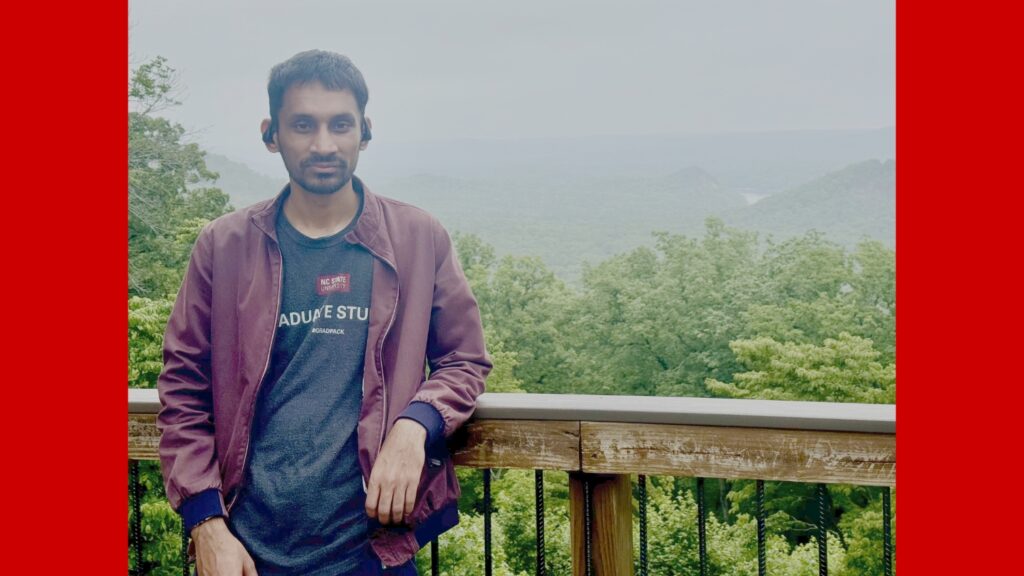
Academic program: Ph.D., Computer Science, North Carolina State University (Expected graduation year: 2028)
Where do you most feel like a local? Raleigh, North Carolina.
Extracurricular activities/hobbies: Reading, traveling, playing soccer, exploring new technologies, and spending time with family and friends. I enjoy troubleshooting technical problems and often find myself diagnosing software or computer issues for friends and colleagues. I also like learning about cybersecurity trends and mentoring students.
Tell us about what you’ve been working on at LAS. Cyber threats evolve rapidly, and security teams often struggle to keep up with the large volume of available threat information. I am working to understand annual cyberattack trends by analyzing Cyber Threat Intelligence (CTI) reports. Similar to the OWASP Top 10 security risks, our goal is to develop an AI-driven pipeline that automatically ingests CTI reports and recommends the top security controls organizations should prioritize. By automating the analysis process, we hope to help organizations identify effective defensive measures more quickly and make better-informed security decisions.
Any unexpected results? What I find most interesting is combining large language models with cybersecurity knowledge to address real-world challenges. One surprising finding has been how much additional information can be uncovered by combining multiple threat reports instead of relying on a single source. Aggregating information from diverse reports significantly improves attack coverage and leads to more comprehensive mitigation recommendations.
What else have you learned through your internship? My internship has taught me how interdisciplinary collaboration can turn research ideas into practical solutions with real-world impact. I have also gained valuable experience communicating technical research to broader audiences.
What’s next for you? After graduation, I hope to continue conducting research and developing AI-driven solutions for cybersecurity, either in academia or industry, with the goal of making software systems more secure and trustworthy.
Dmitrii Korobeinikov, Research Intern
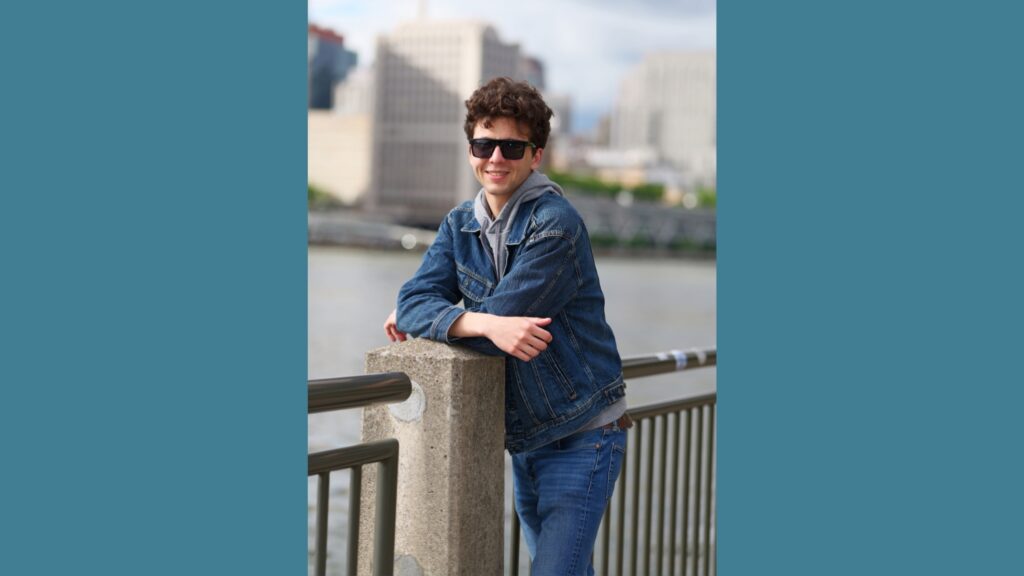
Academic program: Ph.D., Computing and Information Sciences, Rochester Institute of Technology (Expected graduation date: 2029)
Where do you most feel like a local? The Neighborhood of the Arts in Rochester, NY.
Extracurricular activities/hobbies: Photography, Sports (swimming, cycling, hiking)
Describe a project you’re working on at LAS. I am working on integrating advanced techniques for video content summarization and semantic understanding into real-world applications and processing pipelines, bringing theoretical research findings into concrete, practical use cases. What excites me most is seeing complex concepts translate into measurable improvements in user experience and workflow efficiency. An interesting discovery along the way has been just how extensive the prerequisites are for these pipelines to function effectively at scale.
What’s one thing you have learned through your internship with LAS? The importance of clearly communicating requirements and carefully defining their scope.
What are your goals after graduation? I plan to continue my career in research.
Tanmay Pardeshi, Software Security Intern
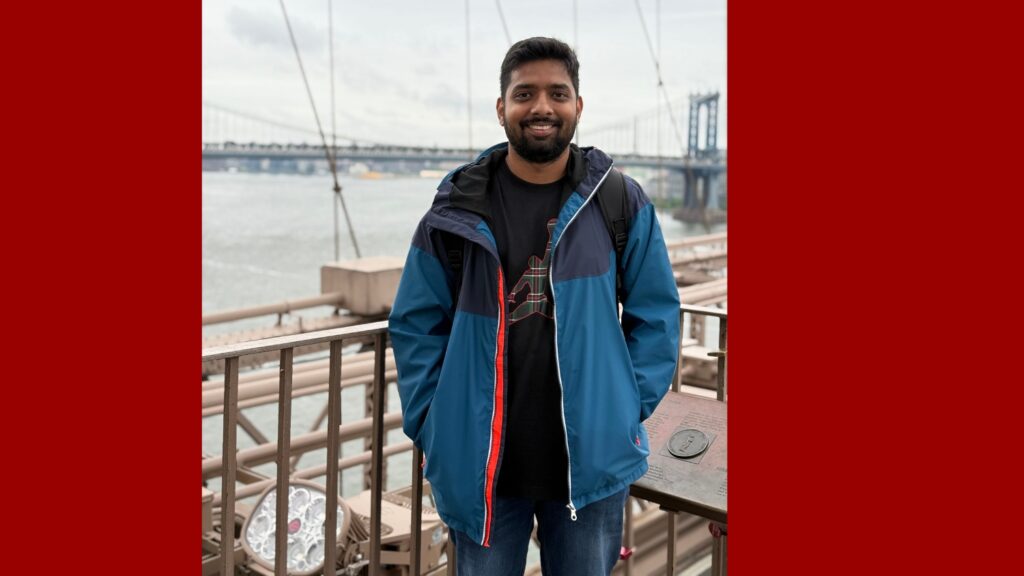
Academic program: Ph.D., Computer Science, North Carolina State University (Expected graduation date: 2029)
Where do you most feel like a local? Two places. Pune, India, which is my birthplace, hometown, and the city where I grew up before moving to Raleigh. Pune will always be my first home. The next place is Raleigh, which has very graciously accepted me. I feel great here, and like I have found the right people. I have also explored the area quite a lot, so I feel like a local now. I don’t even need maps very often to navigate in Raleigh — just like in Pune!
Extracurricular activities/hobbies: I play a lot of soccer, and I love to swim. I also like cooking, exploring music, video games, and books – currently reading “Guns of the Dawn” by Adrian Tchaikovsky.
What have you been working on at LAS? I am working on creating a pipeline using which we can automate vulnerability detection, exploitation and patching in software. I am doing this by leveraging AI models. This project also involves a lot of evaluation of AI models to find out which ones perform better on which tasks. This is important work, as we can improve the quality of software by reducing its attack surface. Other than being a software security researcher, I am also an avid programmer and software developer with previous industry experience. I have seen firsthand how hard it is to write secure code and I have also seen that software developers sometimes lack the security experience. This kind of tool can bridge a gap in the software development lifecycle.
What’s one thing you have learned at your internship? I am learning a lot about building agentic AI systems and harnessing AI models to do spec-driven development in a systematic and scalable way.
What are your goals after graduation? I want to continue doing research. My first preference would be to be part of academia and teach, along with doing research. I enjoy interacting with people and building communities.
Do you have a random skill or talent? I am pretty good at soccer and programming.
Ricky Rodriguez, Software Engineering Intern
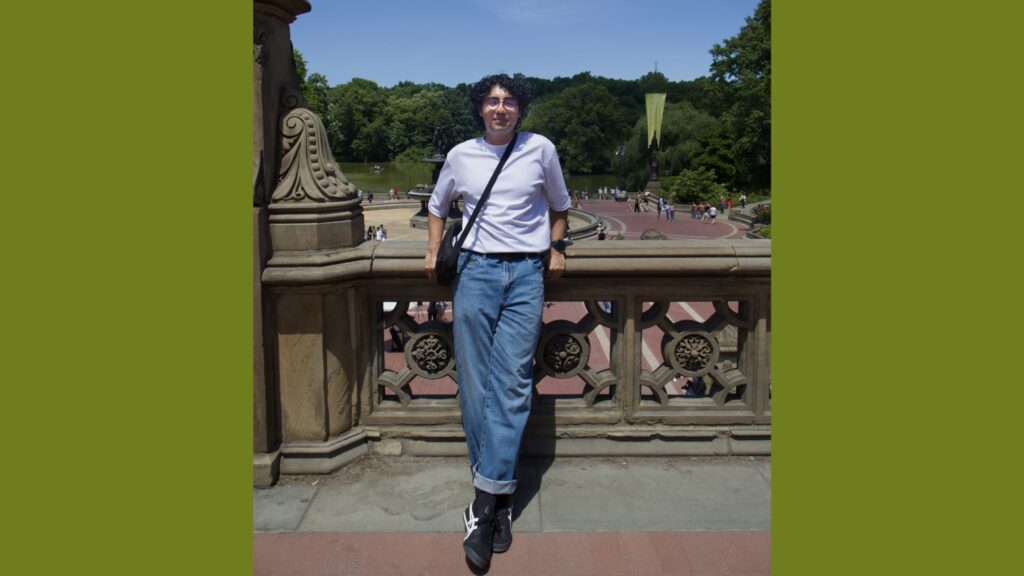
Academic program: B.S., Computer Science, North Carolina State University (Graduation date: May 2026)
Where do you most feel like a local? I feel most like a local when I’m at Cookout!
Extracurricular activities/hobbies: Rock climbing, reading, and drawing.
What have you learned through your internship with LAS? I think it’s a lesson that has continued to be reinforced throughout my life and not just at LAS, but not to be afraid to ask questions. The team is always willing to help, and I end up learning a lot about technical things this way. A more technical answer would be that I learned about CircleCI. I knew about DevOps tools before working here, but working on this project has exposed me to it further. The biggest surprise or unexpected result has definitely been how welcoming the team at LAS has been and how much my voice matters! I truly feel valued here, and my voice is heard.
What are you working on at LAS this summer? One of the projects I’m working on is Infinitypool, a data classification application for training AI/ML models. It allows for fast classification of many types of data. Optimizing and improving the platform allows me to be creative in my approaches. Before my introduction to the project, the labeling interface and process were basic. As I have worked on it, the team and I have continued to find new ways to make things faster using tools I have not had much experience with before! I get to learn a lot through this project, and that’s what makes it interesting.
What are your goals after graduation? I’m looking for a job in the AI/ML industry.
Do you have a random skill or talent? I’m not sure if I still have it, but I used to know how to lockpick!
Mahzabin Tamanna, AI Security Research Intern
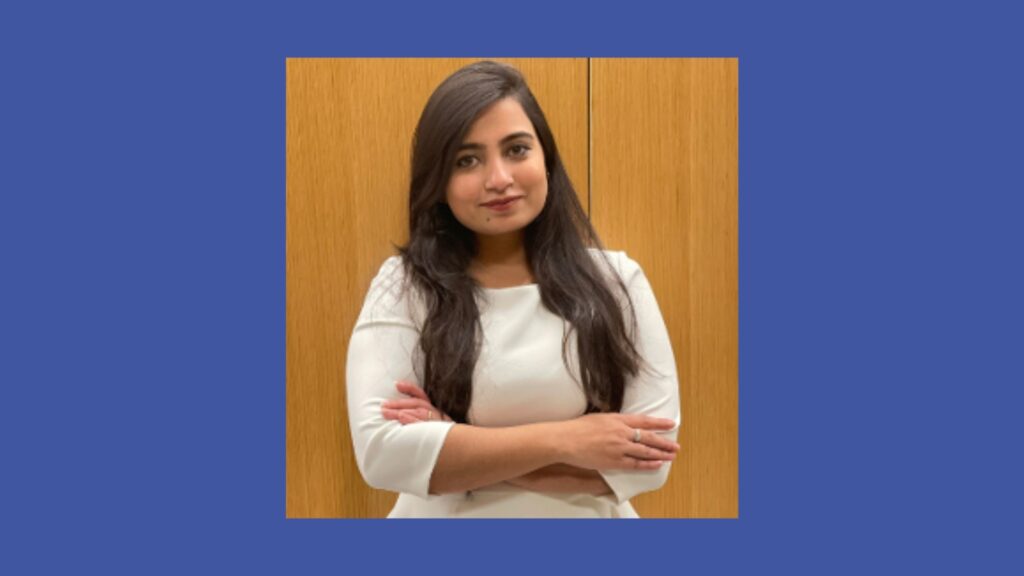
Academic program: Doctor of Philosophy (Ph.D.), Computer Science, North Carolina State University (Expected graduation date: May 2027)
Where do you most feel like a local? North Carolina has become home over the past several years. From my time at North Carolina Agricultural and Technical State University to now pursuing my Ph.D. at NC State, I’ve built strong connections and put down real roots in the Research Triangle. Whether it’s knowing the best spots on campus, discovering local restaurants, or feeling connected to the community, this is the place where I most feel like a local.
Extracurricular activities/hobbies: I served as a committee lead for Women in Computer Science (WiCS) and am a member of Women in CyberSecurity (WiCyS). I am also passionate about traveling and exploring new cultures. So far, I have visited 37 U.S. states and six countries, with many more destinations on my list.
Tell us about one of the projects you’re working on at LAS. I am evaluating large language models and AI agents across multiple dimensions to propose a framework that helps practitioners select the right model or agent for their specific needs. As AI systems become more deeply integrated into real-world workflows, including high-stakes operational environments, the ability to make informed, principled choices between models and agents is critical. A poor choice can mean unreliable outputs, security gaps, or systems that simply don’t perform when it matters most. One of the most surprising findings so far is that some LLMs perform just as well as full-agent systems on certain tasks, challenging the assumption that adding agentic capabilities always leads to better performance.
What’s one thing you have learned through this internship? The importance of translating technical research findings for non-academic, operational audiences. At LAS, I have learned that communicating clearly to practitioners who need to act on your findings, not just evaluate them, is a skill in itself, and one that makes research genuinely useful rather than just interesting.
What are your goals after graduation? My goal is to join the industry or a government research lab, where I can continue working at the intersection of AI safety, security, and real-world deployment.
Do you have a random skill or talent? I’m great at planning trips on short notice. I enjoy finding unique places to visit, hidden attractions, local food, and photogenic spots, often creating an itinerary that feels well thought out, even when the trip is completely spontaneous.
- Categories: