LAS Releases Findings from 2025 Summer Conference on Applied Data Science
The report details outcomes from applying data science to challenges faced by U.S. intelligence analysts.
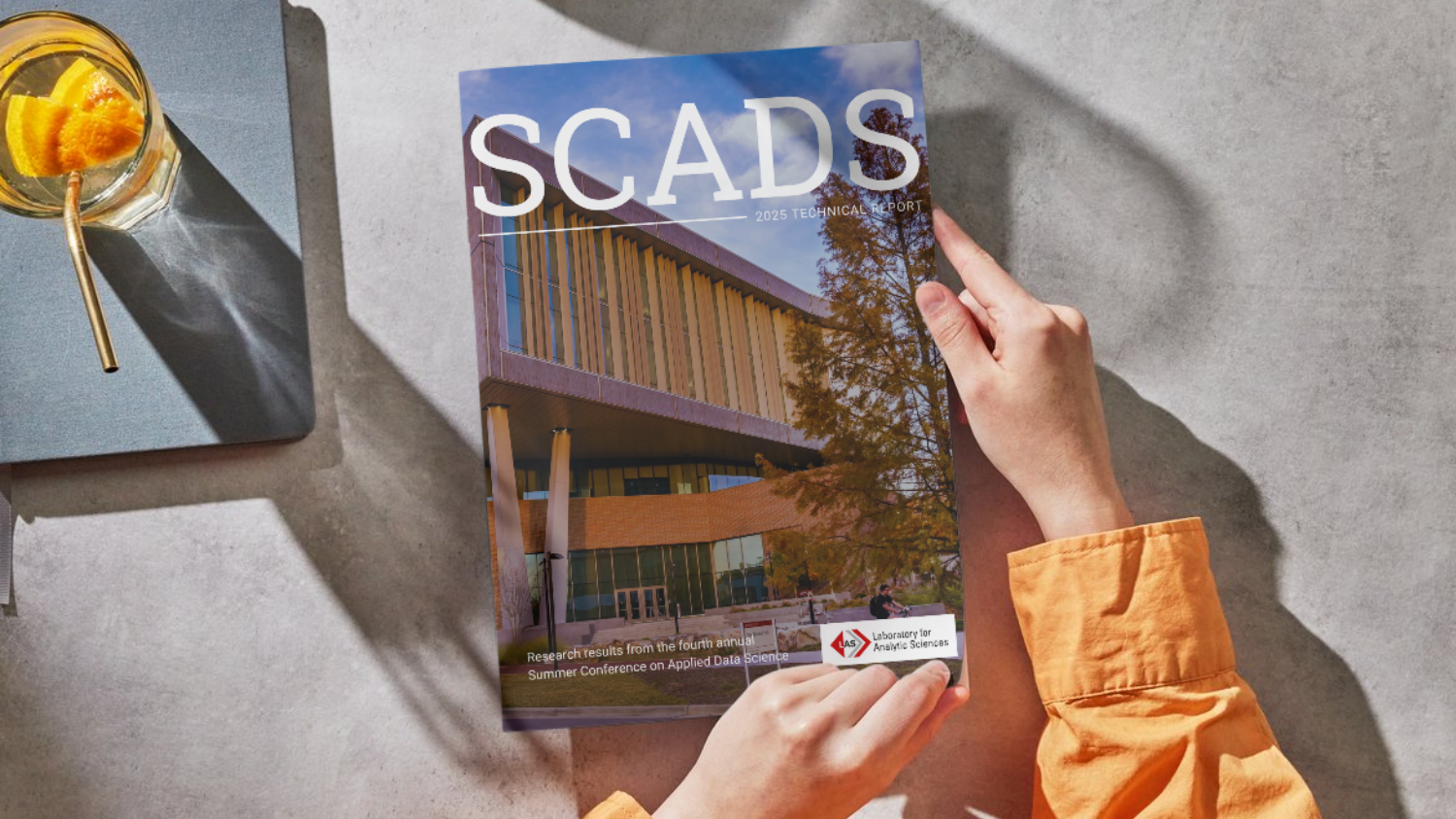
LAS has published its technical findings from the 2025 Summer Conference on Applied Data Science. The report captures the results of nearly 40 research projects undertaken by data science researchers this past summer. The annual Summer Conference on Applied Data Science, or SCADS for short, is an eight-week program hosted by the Laboratory for Analytic Sciences (LAS) at North Carolina State University in Raleigh, NC. The conference brought together participants from government, academia, and industry to advance the multi-year grand challenge of generating tailored daily reports (TLDRs) for knowledge workers. It focused specifically on researching and developing prototypes using artificial intelligence to assist U.S. Intelligence Community data analysts.
This year’s team worked on improving information retrieval and summarization, enhancing recommendations, and studying how users interact with the latest TLDR prototype.
While the 506-page document provides detailed methods and outcomes for each project, readers seeking the abridged version may want to start with the report’s executive summary, which explains five technical takeaways:
- Testing a tailored daily report (TLDR) prototype with a realistic proxy dataset highlighted the feasibility and challenges for establishing a TLDR workflow.
- TLDR processing pipelines need to be compatible with the data of interest.
- Context is crucial yet complex and varied for TLDRs.
- The decision space for implementing TLDRs extends beyond model selection.
- Facilitating interaction with multimodal data helps users.
The National Security Commission on Artificial Intelligence (NSCAI) and the Center for Strategic and International Studies (CSIS) inspired the SCADS grand challenge by promoting the need to transform national intelligence by adopting AI-enabled capabilities.
“A big part of what we do at NC State as a research organization is creating incubator environments like SCADS, where people can fail fast and learn what works,” says Matthew Schmidt, principal investigator at LAS.
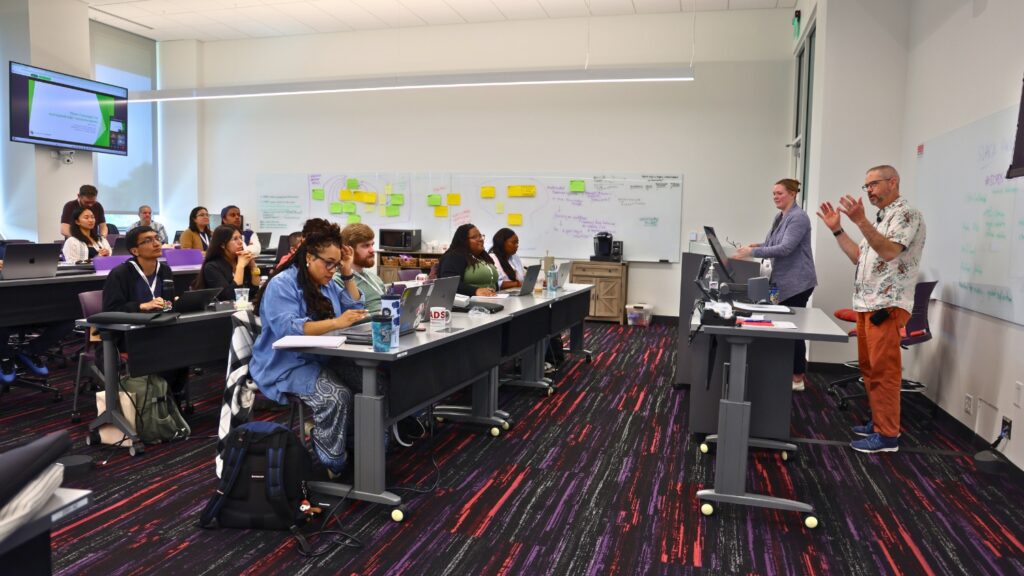

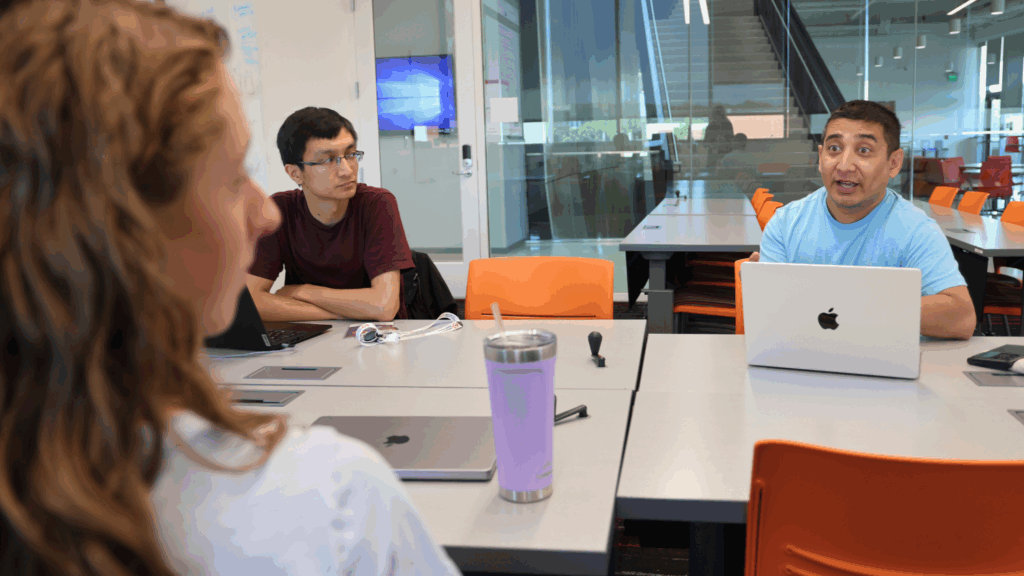
At the conference, participants heard from guest speakers and LAS staff through presentations, feedback sessions, and workshops. In “A Day in the Life of an Analyst,” government intelligence analysts shared pain points they often encounter in their work. Faculty presentations included “Decisions Decisions: Designing Automation for Humans,” a human factors psychology discussion by Dr. Colleen Patton from NC State University, and a presentation on multistakeholder recommender systems, which involves considering parties other than just the end user when computing recommendation outcomes, led by Dr. Robin Burke, a professor at the University of Colorado Boulder. As projects progressed through the summer, Professor Jordan Crouser from Kenyon College led writing workshops to guide participants in writing about the results of their research for the SCADS 2025 final technical report.
Schmidt says he and other SCADS organizers hope that after the conference, participants can point to something they learned and say it helped create the solution.
“You have to be willing to work through roadblocks and stick with an idea as it goes through its twelfth iteration until you get to that ‘a-ha!’ moment.”

About LAS
LAS is a partnership between the intelligence community and NC State that develops innovative technology and tradecraft to help solve mission-relevant problems. Founded in 2013 by the National Security Agency and NC State, LAS brings together collaborators from three sectors – industry, academia, and government – each year to conduct research that has a direct impact on national security.
Gabby Simon contributed to this article.
- Categories: