Kim Sachs Joins LAS as Director
Meet the new head of the lab’s government team.
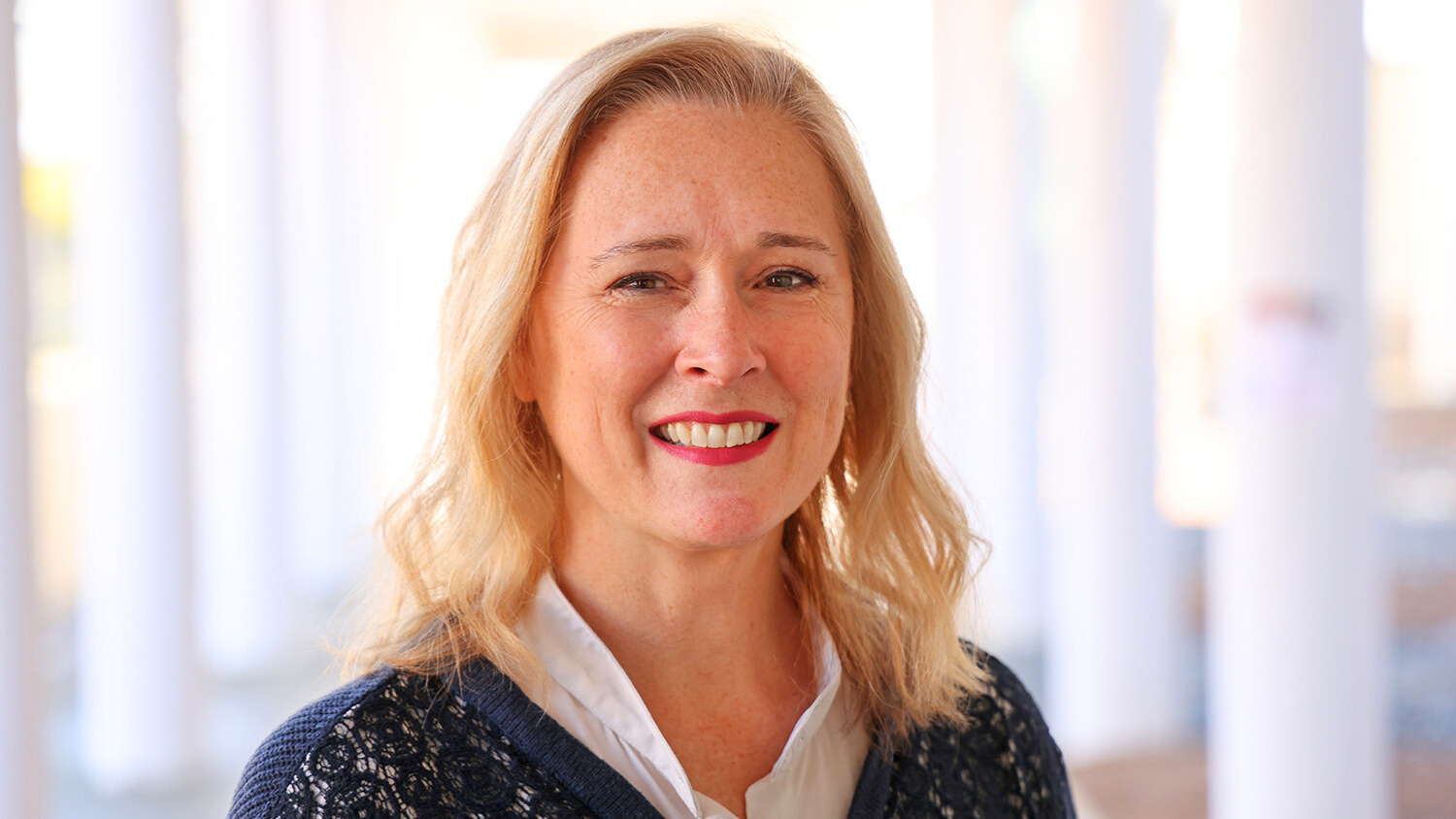
The Laboratory for Analytic Sciences at NC State University proudly welcomes Kimberly Sachs as its new director. In this role, she will lead LAS’s government personnel and grow research partnerships with industry and academic collaborators to further the lab’s mission.
Sachs is an employee of the U.S. Department of Defense, where she has spent much of her career in external engagement, talent management, and technical leadership roles.
As the government director of LAS, Sachs will collaborate with Matthew Schmidt, the lab’s principal investigator at NC State. Together, they provide strategic direction for the lab’s research, programs, and people.
Tell us about your background. What brought you to LAS?
I began my career as a high school work study (computer science aide) at the National Security Agency before attending college. I have an undergraduate degree in political science, a master’s degree in management systems as well as a master’s in business administration (MBA) from the University of Maryland. After college, I worked for National Semiconductor and then Raytheon Intelligence & Information Systems. I eventually returned to NSA and learned the way the U.S. government approaches problems and tackles them, and the limitations and challenges they have, are not the same [as industry]. I think it influenced a lot of my philosophy about whether I should go deep tech or lead people. It forever changed the way I care about personnel topics, talent management, and people. One of my most rewarding positions over my 22-year career at NSA was working in the commercial engagement office, where I had an opportunity to lead efforts working directly with industry, foreign countries, and academia. In those engagement roles is where I absolutely found I was most happy.
Most recently, I was stationed in Germany as the technical director supporting the U.S. European Command, where I led projects that leveraged artificial intelligence and machine learning to improve efficiency. When my assignment was ending, and I was ready to return to the U.S., I was looking for an opportunity to lead people and tech while finding solutions on how we can use technology to optimize the analytic community.
You’ve been at LAS for a month. What are you feeling most excited about so far?
Right now, I’m focused on LAS as an organization, meaning the people and the support structure, because I want to make sure we’re resourced for today into the future. I think our problem set is going to grow exponentially as we look at the implementation of AI in systems.
I’m excited about our tech transfers and the work we are doing to operationalize AI for mission impact. Projects like AI model benchmarking and the sensemaking activities we’re doing, we’re now able to make sense of things that previously took thousands of man-hours. Leveraging AI so we’re using people for what they uniquely bring to their data analyst roles, rather than having them handle the more burdensome manual processes, is really exciting to me.
What are you reading, watching, and listening to?
I have this thing I started a year ago: I ask someone what their favorite book ever is, and I read it, no matter what it is. So I have read many books that are not my style, most of which I ended up loving. Right now I’m reading The Chain. It’s exciting. Before that, I just finished The Midnight Library. As for movies, the only time you’re going to get me really wanting to watch them is Christmas time. I think Will Ferrell in an elf costume in New York City is hysterical, so I’m going to have to go with Elf. I love classic rock, but lately I’ve also been getting into country, mostly because, after five years in Germany, I haven’t heard it in a while. Something else you don’t really hear too much overseas is throwback R&B. I’m just appreciating things I didn’t have as much access to.
Outside of work, what hobbies or activities do you enjoy?
Five years ago, I would have said boating and baking. I owned a boat and regularly was on the East Coast waterways, and I made tremendously huge and complicated cakes. I would make eight-tier wedding cakes, crazy 16-year-old birthday party cakes, and all kinds of gravity-defying things. My kids would try to stump me with a complicated flavor or an icing design that they thought I couldn’t do. When I moved to Germany, we ended up getting e-bikes and traveling all over Europe. We biked in Belgium, France, throughout Germany, and the Dolomites in Italy. Biking became my latest hobby, that and skiing, because the Alps were right there. I think what I’m most looking forward to now that I’m in Raleigh is, for the first time ever, having an in-ground pool. I have not yet been able to test the waters, but that will be my hobby. And enjoying the greenways and trails.
What advice do you have for students interested in pursuing a career with the government?
Data science, mathematicians, and certain language skills are attractive to NSA in particular, but it doesn’t mean that the year we’re hiring for a certain skill is the year that you graduate. Sometimes it works to network and get an employee referral; sometimes it’s the right academic institution; sometimes it’s the area you study.
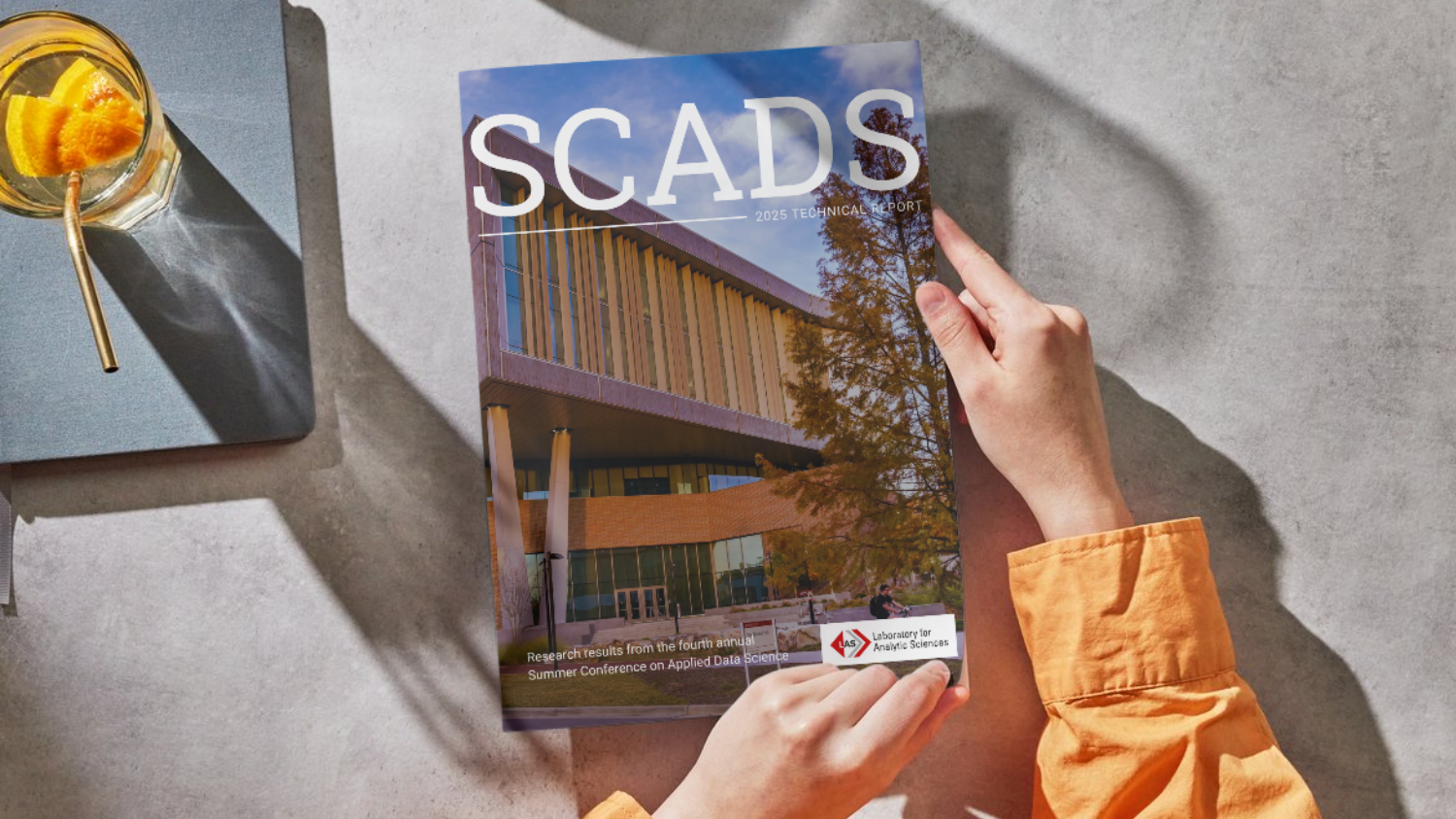
If you’re interested in data science, get involved in ways that let you network and get to know people, like at SCADS. Ask people this exact question, because you’re going to get different pieces of advice from all of them. You can weave the tapestry from that to create your own options, because I’m not sure it is as simple as a piece of advice that would work, but I think there are many things you can do that increase your odds and your visibility into the system, where you can find that perfect match for yourself and potentially for the U.S. government.
This interview has been edited for clarity and length. Gabby Simon contributed to this article.
- Categories: